Shared Prize Structures Shift Retention Dynamics in International Reel Systems
Écrit par Otto Perry · 3/11/2026
Shared Prize Structures Shift Retention Dynamics in International Reel Systems
Operators across multiple jurisdictions now connect prize pools through shared jackpot mechanisms that span national boundaries, and this linkage creates measurable effects on how players maintain activity levels over extended periods. Data from platform analytics in 2026 indicates that participants engage with networks offering pooled rewards for longer sessions compared to isolated offerings, because the potential payout scales with contributions from wider user bases. Figures released in November 2026 from several multi-operator consortia reveal average session durations increased by 18 percent in linked environments versus standalone reels during the preceding quarter.
Mechanics of Cross-Border Pool Integration
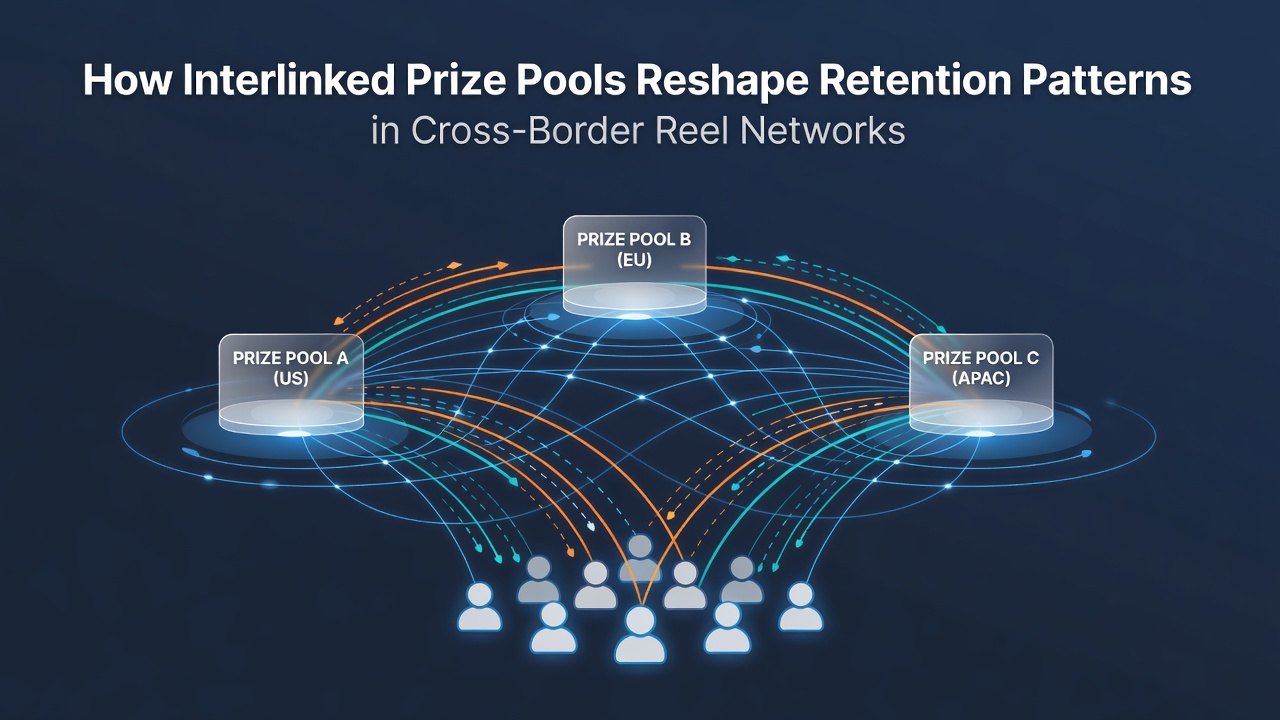
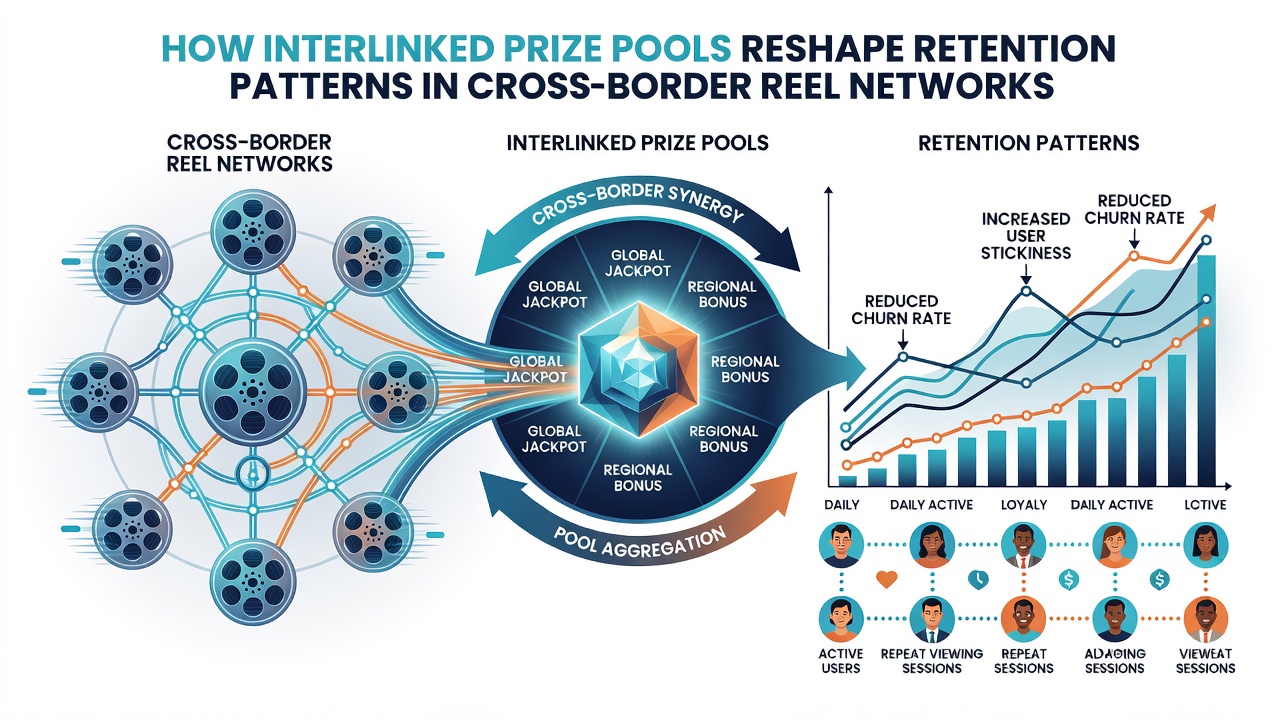
Interlinked prize pools operate by aggregating seed funds and incremental contributions from reels hosted in separate regulatory zones, which allows a single progressive meter to draw from international traffic. Software providers synchronize these meters through secure APIs that comply with local licensing rules, while each jurisdiction retains oversight of its portion of the pool. Those who manage these systems report that synchronization protocols now include real-time reconciliation to prevent discrepancies during currency conversions or time-zone adjustments. And because contributions flow from diverse player demographics, the overall prize values grow faster than they would in single-market setups, prompting users to return more frequently to monitor rising totals.
Observed Changes in Retention Metrics
Retention patterns show distinct shifts once pools cross borders, with churn rates declining in markets that participate in shared structures. Research from industry consortia tracking user cohorts finds that players exposed to multi-jurisdictional jackpots exhibit repeat-visit rates 22 percent higher over a 90-day window than those limited to domestic reels alone. Observers note that the visibility of escalating prizes across borders serves as a persistent prompt, encouraging logins even during periods of lower individual activity. What's interesting is how this effect compounds when networks incorporate loyalty tiers that award bonus entries into the shared pool, further extending the lifespan of player accounts.
Regional Data Points from Late 2026
Statistics compiled in November 2026 across participating operators in North America and Europe highlight that cross-border linkage correlates with a 14 percent lift in monthly active users for mid-tier reels that previously operated in isolation. Canadian regulatory filings, for instance, document sustained deposit frequency among accounts that qualify for pooled rewards, while parallel reports from Australian oversight bodies show similar stabilization in weekly engagement after linkage implementation. Those who analyze these datasets emphasize that retention gains appear most pronounced among users aged 25 to 44, a segment that responds strongly to visible prize growth across time zones.
Regulatory and Technical Factors at Play
Compliance frameworks in different regions impose varying requirements on how pooled funds are segregated and reported, yet operators have developed modular architectures that satisfy each set of rules without fragmenting the player experience. Academic studies published through gaming research centers indicate that transparent audit trails for cross-border contributions help maintain trust, which in turn supports longer-term account activity. But here's the thing: when synchronization lags occur due to differing reporting deadlines, temporary pauses in pool growth can briefly dampen momentum until systems realign. Networks that minimize these interruptions through automated reconciliation retain higher percentages of their cross-border cohorts.
Examples from Operating Networks
One network spanning several European markets and parts of Latin America implemented interlinked progressive reels in early 2026, after which platform logs showed a steady climb in returning players from previously low-engagement regions. Another consortium linking Canadian and Australian operators introduced tiered contribution multipliers tied to the shared pool, and subsequent data revealed that players who crossed into higher tiers maintained activity for an average of 47 additional days. These cases illustrate how the scale of the prize directly influences the decision to continue play rather than migrate to competing standalone titles.
Conclusion
Interlinked prize pools continue to alter retention trajectories within cross-border reel networks as operators refine synchronization and compliance methods. Data gathered through November 2026 underscores consistent patterns of extended engagement where pools span multiple jurisdictions, driven by larger prize visibility and integrated loyalty structures. As more networks adopt these models, the measurable impact on player lifespan becomes a central metric for evaluating operational success across diverse regulatory landscapes.