Tracing Jackpot Seed Migrations Across Layered Loyalty Frameworks in Multi-Operator Reel Networks
Écrit par Taylor Baumann · 22/9/2026
Tracing Jackpot Seed Migrations Across Layered Loyalty Frameworks in Multi-Operator Reel Networks
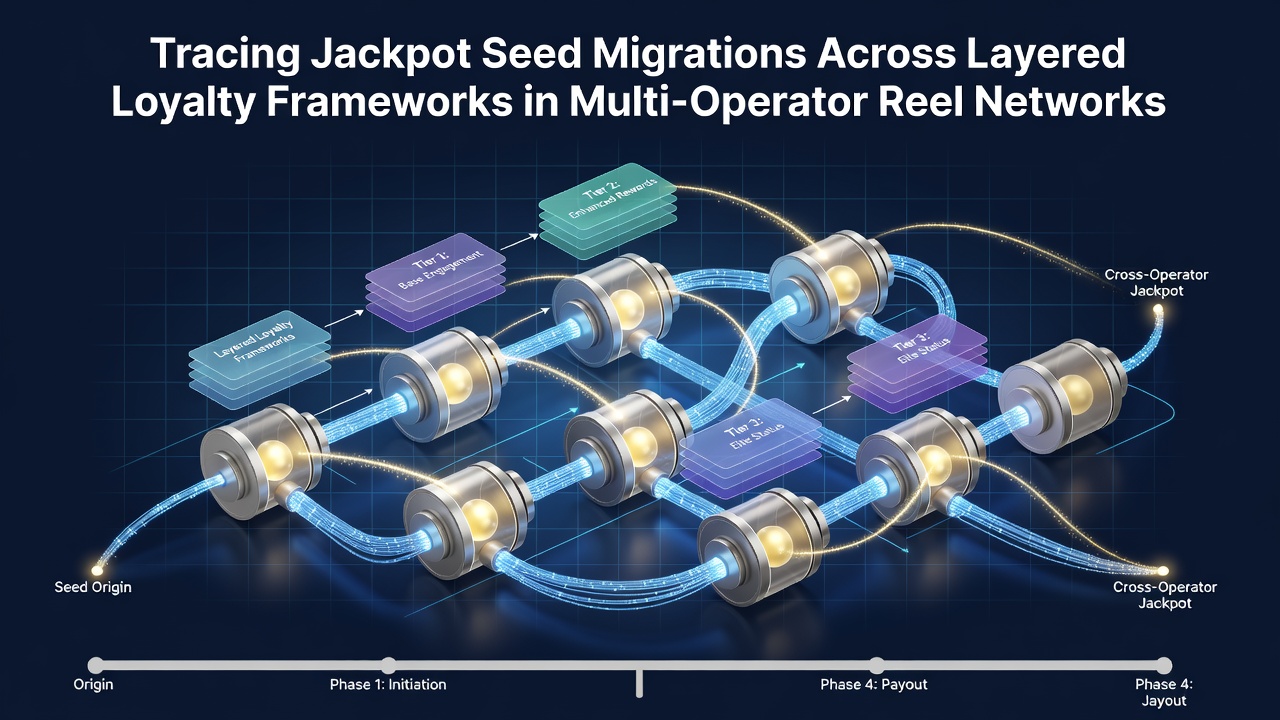
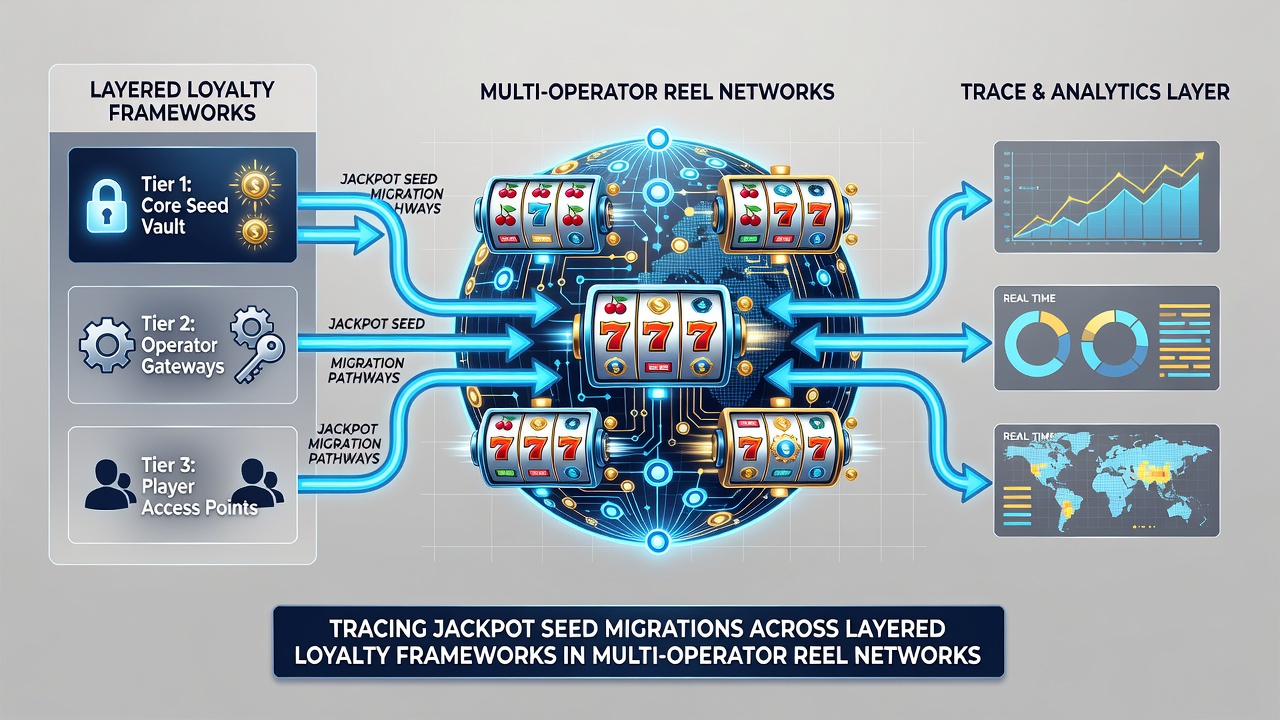
Jackpot seed migrations occur when progressive contributions flow from one operator's reel platform into shared pools managed across multiple networks, and these movements depend on loyalty frameworks that assign player tiers based on activity levels, wager volumes, and retention metrics. Operators link these frameworks through data-sharing agreements that track seed values as they shift between isolated systems and interconnected pools, creating traceable paths that follow specific protocols for allocation and redistribution. In practice, a seed starts at a base amount set by the network administrator, then accumulates contributions from spins placed by players at varying loyalty tiers, with each tier determining the percentage directed toward the progressive component versus operator revenue.
Mechanics of Seed Allocation in Layered Systems
Layered loyalty frameworks divide players into categories such as entry, mid, and premium, each carrying distinct contribution rates that influence how quickly seeds grow and when they trigger payouts. Data from multi-operator reel networks shows that premium tier players often generate higher per-spin contributions, which accelerates seed migration into higher-value pools while lower tiers feed base-level progressives that reset more frequently. Researchers at the University of Nevada, Las Vegas International Gaming Institute have documented these patterns through analysis of transaction logs, revealing that seed values migrate in predictable cycles tied to daily active user counts and cross-platform login events. When a player advances tiers, their future contributions automatically route to different seed pools according to pre-programmed rules embedded in the loyalty management software.
Cross-Network Tracking Protocols
Multi-operator networks employ centralized ledgers that record every seed increment and decrement, allowing administrators to trace migrations from one jurisdiction to another without exposing individual player identities. These ledgers operate on timestamped entries that capture the originating operator, the receiving pool, and the loyalty tier responsible for the contribution, which supports compliance audits required by regional authorities. In September 2026, updates to data exchange standards across North American and European platforms introduced mandatory fields for seed origin codes, enabling faster reconciliation when jackpots roll over between operators. Observers note that such protocols reduce disputes over contribution shares because every migration carries verifiable metadata that aligns with the layered loyalty rules agreed upon in network contracts.
Regulatory Oversight and Data Requirements
Regulatory bodies enforce transparency in seed migrations by mandating regular reports that detail contribution flows across loyalty tiers. The Alcohol and Gaming Commission of Ontario requires operators to submit quarterly summaries showing how seeds move between networks while maintaining separation of player funds from promotional pools. Similar requirements appear in Australian state regulations, where gaming authorities monitor cross-operator agreements to confirm that loyalty frameworks do not create unintended concentration of jackpot value in single entities. These reports rely on automated extraction from the same ledgers used for real-time tracking, which means any anomaly in migration patterns surfaces quickly during routine reviews.
One documented case involved a North American network where a premium-tier promotion caused an unexpected surge in seed contributions from a single operator, prompting the system to redistribute excess value to secondary pools in other jurisdictions to maintain balance. Network administrators traced the migration through loyalty tier logs and adjusted allocation percentages within 48 hours to prevent further skewing. Such adjustments follow predefined thresholds that trigger when any single operator exceeds a set percentage of total network contributions over a rolling seven-day window.
Technical Infrastructure Supporting Traceability
Backend systems integrate loyalty management databases with progressive jackpot controllers through application programming interfaces that push tier updates in real time. Each interface call includes the player's current tier, the spin amount, and the designated seed pool identifier, which together allow reconstruction of migration histories during post-event analysis. Industry reports from the American Gaming Association indicate that adoption of these integrated systems increased by 22 percent between 2024 and 2026, driven by the need to handle growing volumes of cross-operator traffic. The infrastructure also incorporates encryption standards that protect the metadata while still permitting regulatory access to aggregated migration statistics.
Conclusion
Tracing jackpot seed migrations across layered loyalty frameworks requires coordinated data systems, clear tier definitions, and regulatory reporting structures that operate consistently across multiple operators. As networks expand and loyalty programs incorporate additional behavioral metrics, the ability to follow these migrations depends on continued refinement of ledger protocols and interface standards. Figures from regulatory filings and academic studies continue to provide the primary evidence base for understanding how seeds move through these interconnected reel environments.